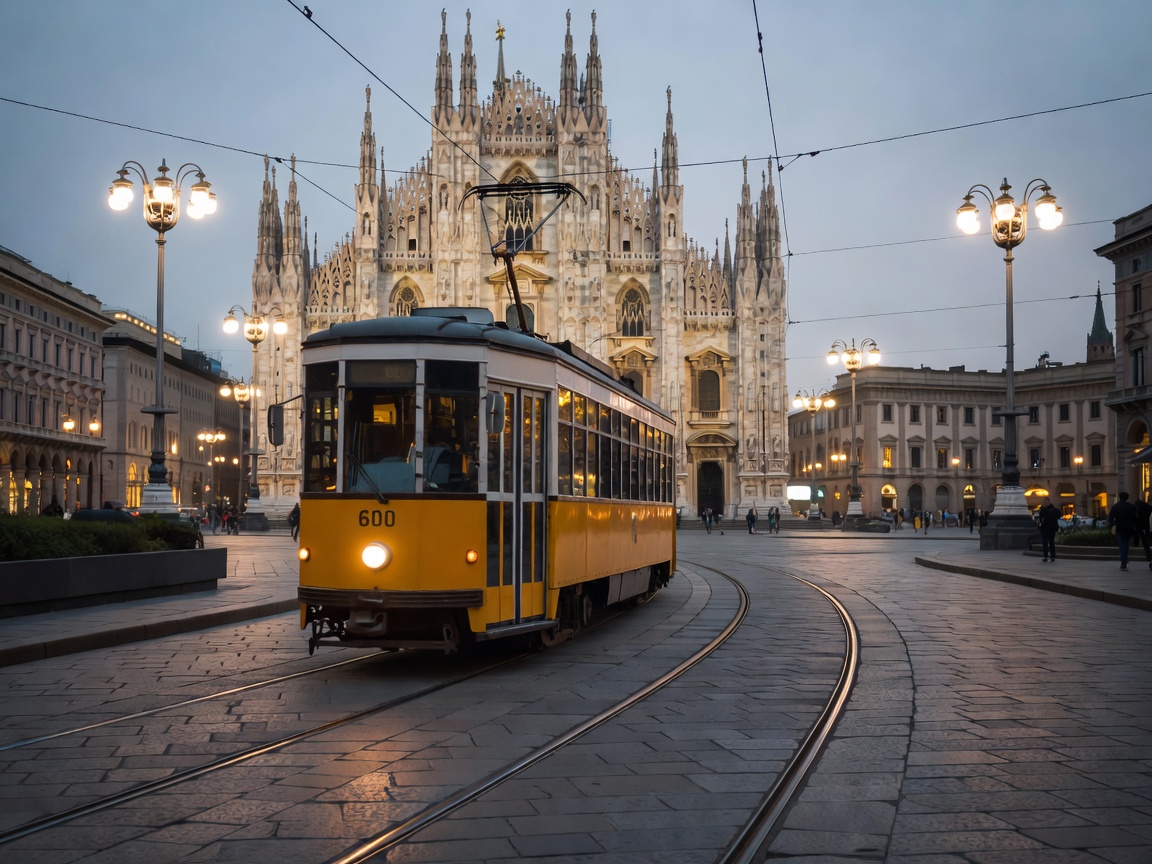
Milan's Best Nightlife Districts
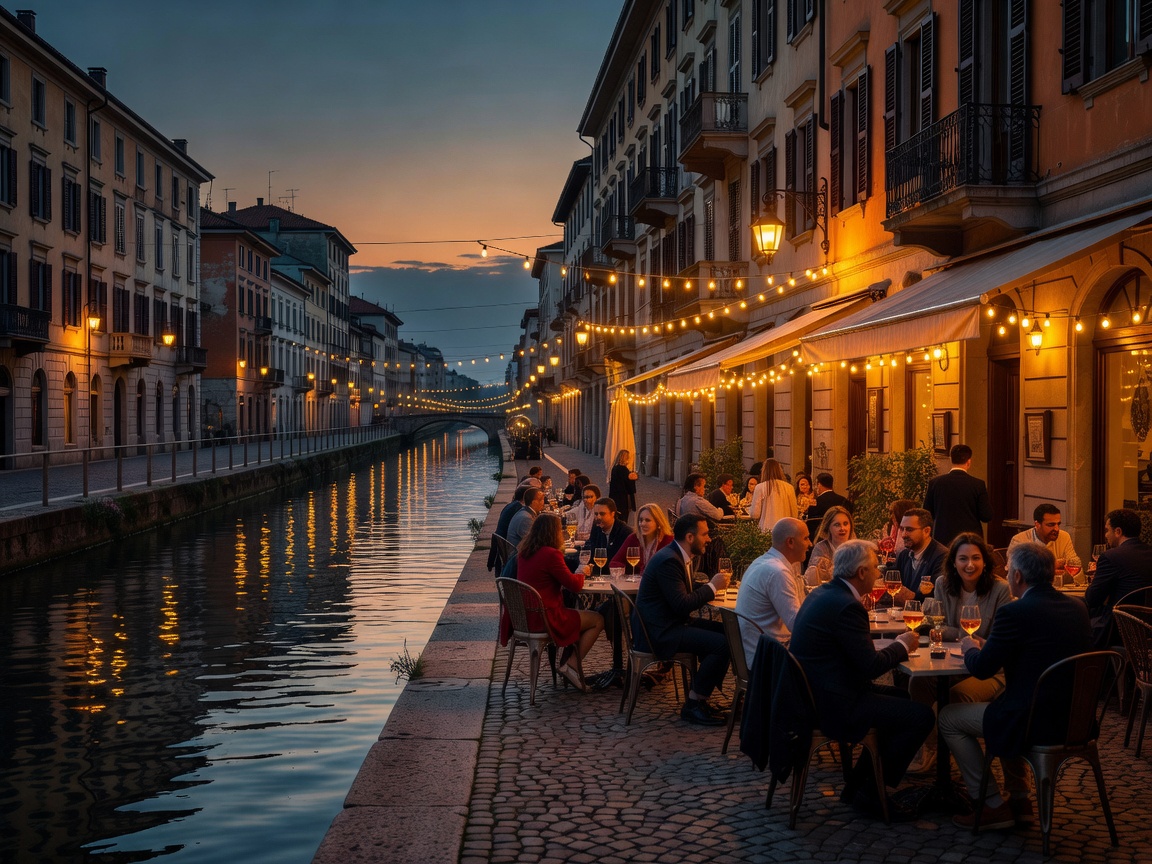
From the vibrant water corridors of Navigli and bohemian alleys of Brera to the sleek skyscraper backdrops of Corso Como and Isola, discover where the city gathers after dark.
Read District Analysis →When dusk settles across Lombardy's capital, Milan transforms from an exacting corporate centre into a layered, sartorial playground. From aperitivo rituals along Renaissance canals to underground electronic institutions inside repurposed industrial warehouses, explore the definitive, non-commercial guide to evening culture.
Please note that our publication provides independent critical reporting and travel advice. We do not sell tickets, manage guest lists, or take table bookings. Readers are encouraged to consult official venue channels directly.
Navigate our comprehensive editorial chapters detailing regional districts, club aesthetics, fashion codes, soundscapes, and practical midnight transit.
From the vibrant water corridors of Navigli and bohemian alleys of Brera to the sleek skyscraper backdrops of Corso Como and Isola, discover where the city gathers after dark.
Read District Analysis →
Understand the sharp contrast between high-glamour couture lounges like Armani/Privé, high-energy mainstays like Magazzini Generali, and the radical counter-culture of Club Plastic.
Explore Venues by Mood →
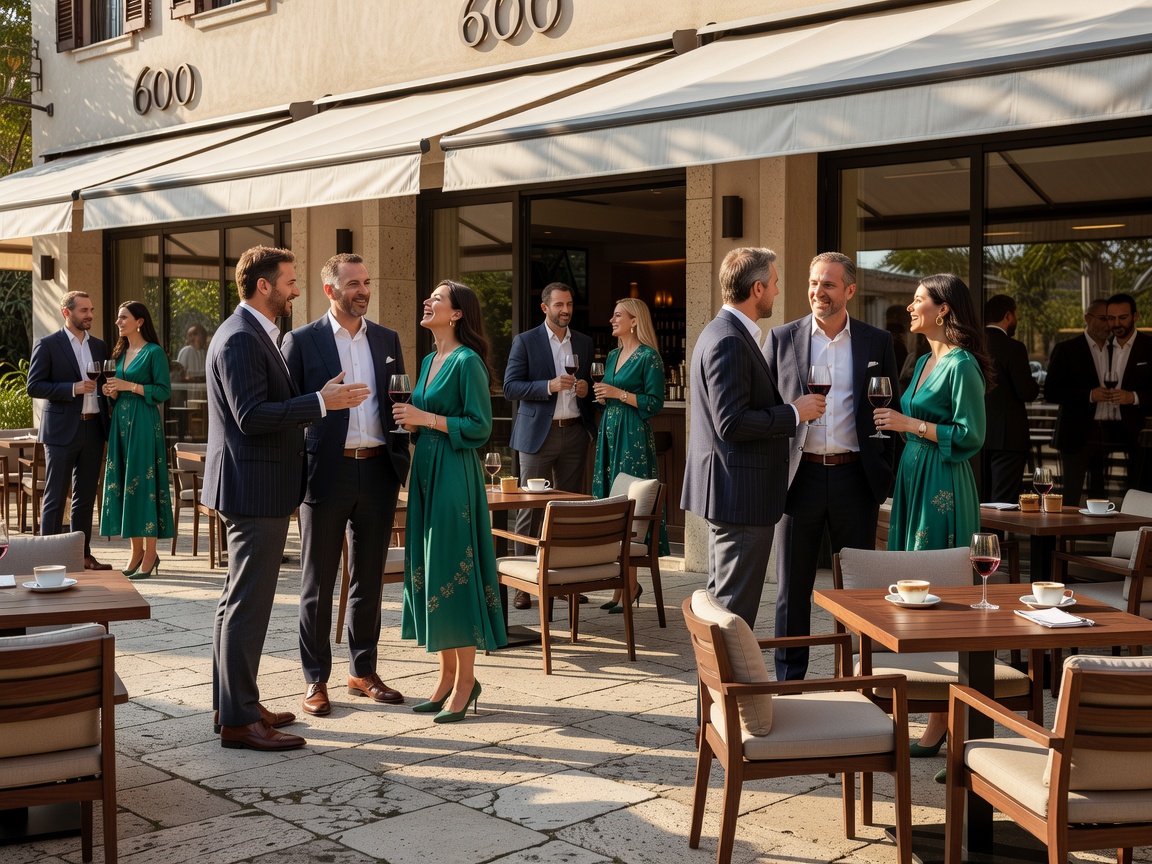
Master the sacred ritual of the Milanese aperitivo, decode strict door policies and door selection criteria, and learn how to navigate seasonal Fashion Week dynamics.
Examine Dress Codes & Rituals →
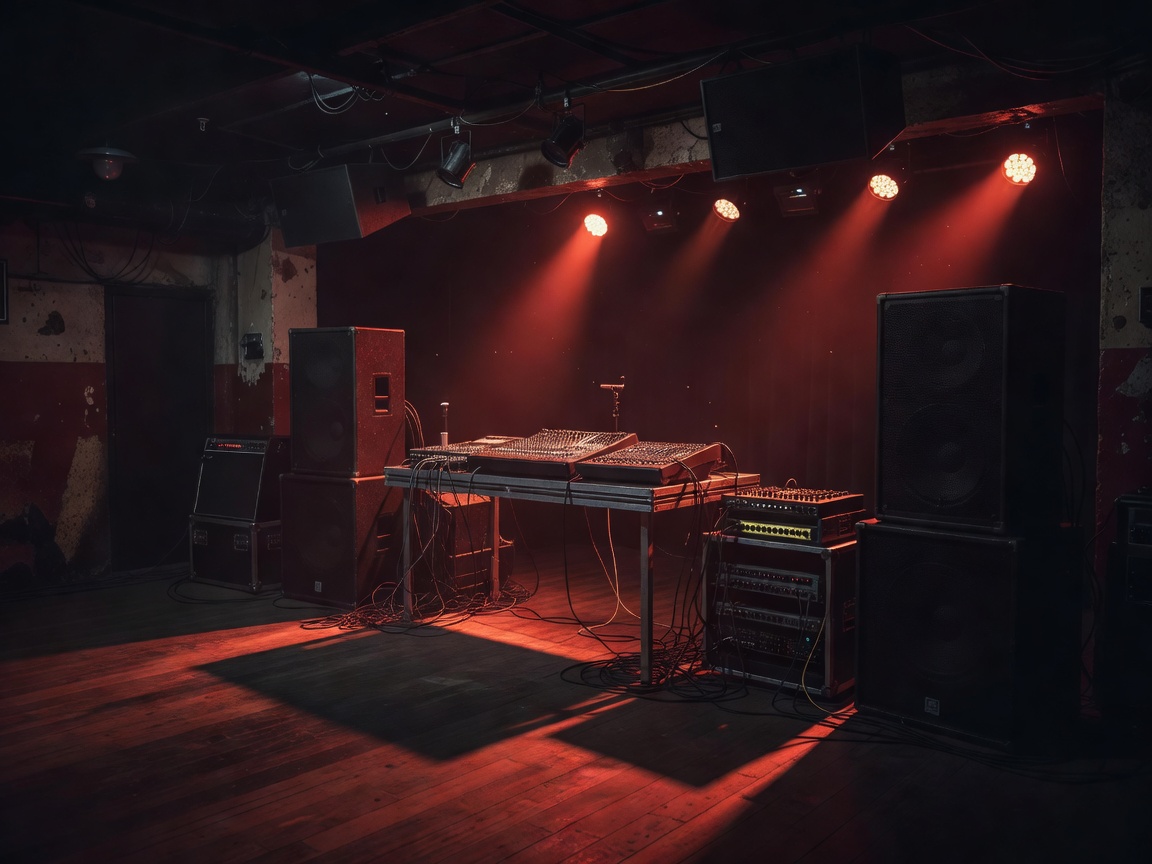
A deep dive into acoustic identities: warehouse industrial techno at Tunnel Club, historic Blue Note jazz sessions, and panoramic rooftop sunset listening sessions.
Review Musical Profiles →
Curated chronological evening plans, safety considerations, ATM night buses (Rete Notturna), radio taxi ranks, and pairing daylight cultural landmarks with midnight destinations.
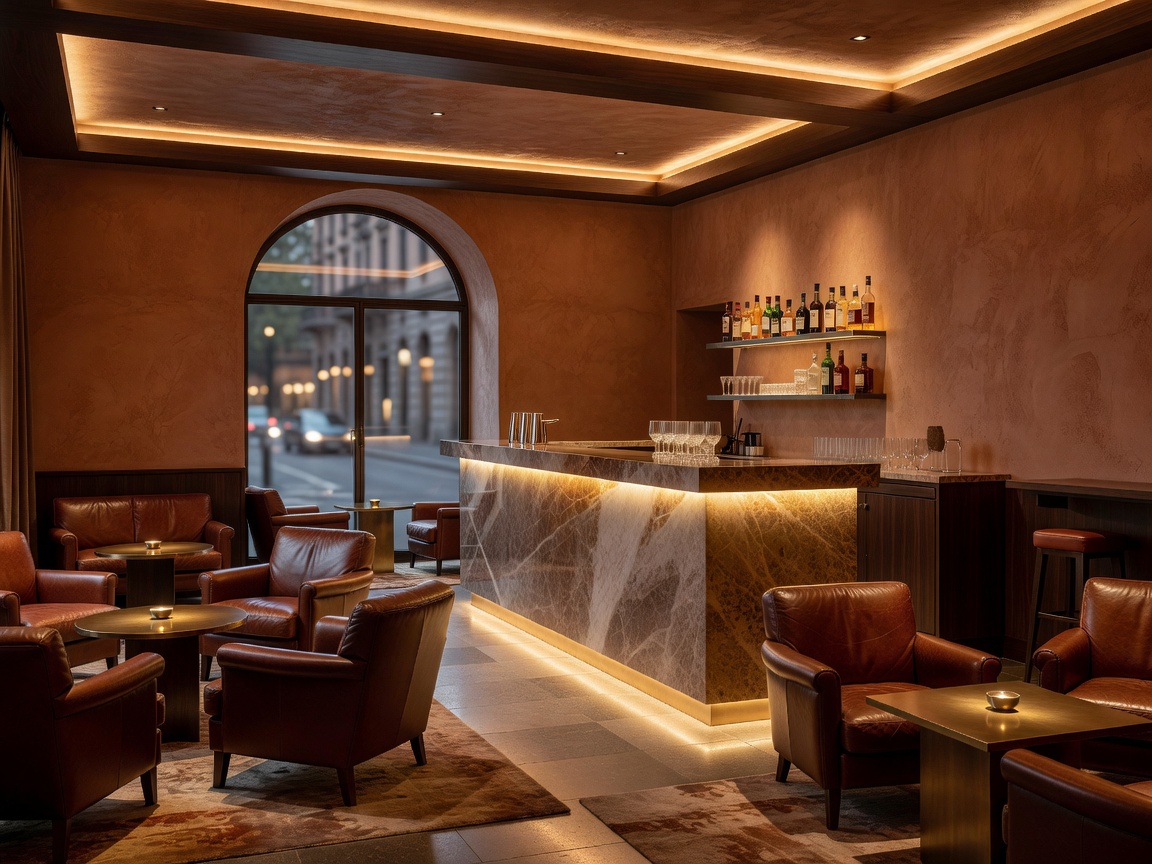
Plan Routes & Midnight Transit →Milan does not house its nightlife within generic contemporary black boxes. The city's nocturnal venues are indelibly linked to its architectural evolution. In the southern rail corridor around Ripamonti and Porta Romana, former metallurgical factories and mechanical printing works now host raw, multi-room acoustic institutions. Conversely, in the historic Centro and Brera, Renaissance cloisters and neoclassical palazzos conceal courtyard cocktail lounges behind discreet brass doorbells.
This interplay between rationalist Italian concrete, industrial brickwork, and polished marble creates a clubbing environment unlike any other European metropolis. When dancing at venues like Gattopardo—housed inside an unconsecrated early 20th-century baroque-inspired church complete with a massive Murano crystal chandelier—you experience architecture as an active participant in the celebration.